For China to achieve its hegemonic ambitions in Asia, weakening democracies is essential. India, therefore, stands as an iron wall against illiberal encroachments, positioning itself as both a regional hegemon and a defender of democratic order.



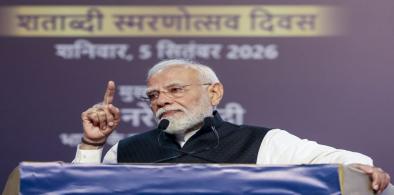
For China to achieve its hegemonic ambitions in Asia, weakening democracies is essential. India, therefore, stands as an iron wall against illiberal encroachments, positioning itself as both a regional hegemon and a defender of democratic order.
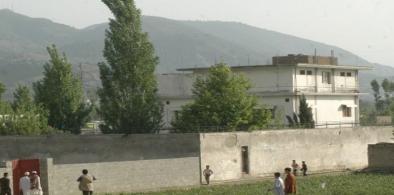
Abbottabad itself is symbolic. Just 30 miles north of Islamabad, along the historic Karakoram Highway, it is home to Pakistan’s premier military academy. For bin Laden to live there undetected is not simply a mystery—it is a reminder of the uncomfortable realities of counterterrorism

For India, delays in its strategic projects are not merely bureaucratic setbacks but a matter of national security. Colombo’s motives remain opaque, but for New Delhi, a presence in Sri Lanka’s North and East is non-negotiable.
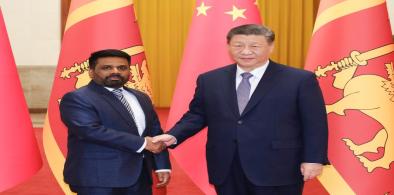
China’s growing influence on small countries thus extends far beyond trade and infrastructure. It shapes debates on governance, challenges democratic norms, and pressures sovereign states to align with Beijing’s priorities. For nations like Sri Lanka and Nepal, the dilemma is stark

China’s growing influence in Sri Lanka is an immediate concern for India as the resident power in the region, but it is also a global concern for the United States.

When a Chinese company won the contract to establish hybrid wind and solar energy projects on three islands off the northern Jaffna peninsula—just 45 km from Rameswaram in Tamil Nadu—the security implications extended far beyond economics. Against this backdrop, India’s concerns are entirely justifiable. Sri Lanka faces a pressing question: how…

While Washington and New Delhi seek to strengthen bilateral ties with Colombo, Beijing has strategically engaged with the political forces that control the government. By engaging directly with actors at the core of Sri Lanka’s governance, Beijing appears to be signalling its strategic intent—projecting influence and reinforcing ideological…
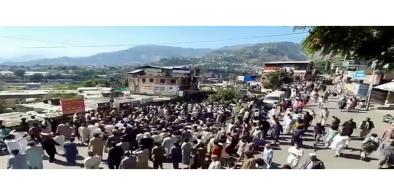
This contradiction—peace abroad, repression at home—defines Pakistan’s current posture. While Islamabad seeks international recognition as a mediator, its domestic record is marred by bloodshed and denial of democracy. The JAAC movement, rooted in basic economic grievances, has become a symbol of resistance against this hypocrisy.
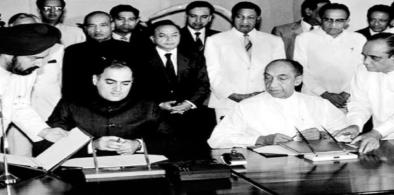
History offers a different lesson now: had India’s proposal been accepted, the war might have ended with far fewer casualties. Instead, the LTTE’s miscalculation culminated in Rajiv Gandhi’s assassination—driven by fears that his return to power would bring back the Indian Peace Keeping Force. The belief that opposing India could achieve a…
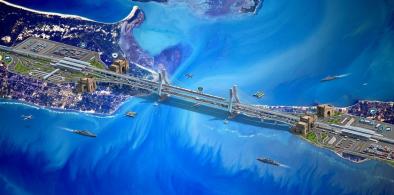
Neutrality and balance — Colombo’s habitual vocabulary — have yielded little economic benefit. Ultimately, Sri Lanka slid into bankruptcy. Given this background, the land link is not merely a strategic starting point but a necessity. India’s strategic position on Sri Lanka is perennial; whether the bridge is built or not, India’s concerns…